
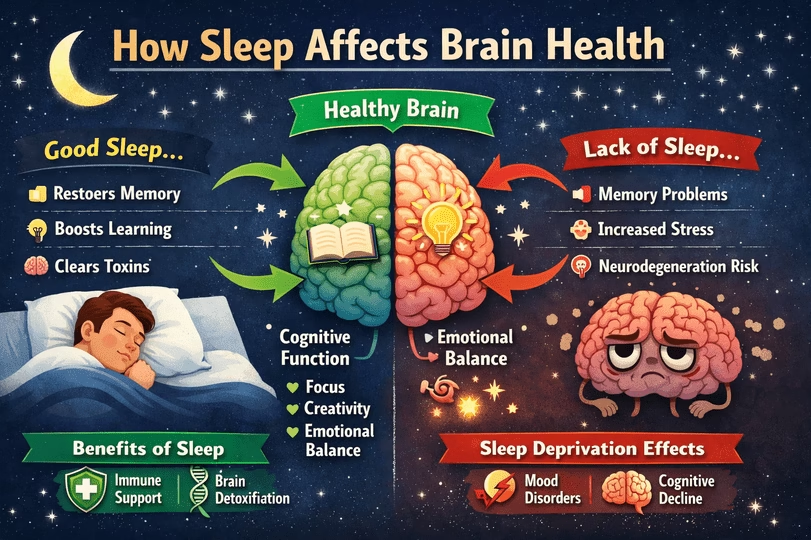
Sleep plays a crucial role in maintaining brain health. It helps the brain process information, store memories, remove toxins, and regulate emotions. Poor sleep can lead to memory issues, reduced concentration, mood disorders, and increased risk of neurological conditions. Maintaining good sleep habits is essential for optimal brain function.
What Happens to Your Brain During Sleep?
Sleep is not just rest — it is an active process where the brain performs essential functions.
During sleep:
- The brain organizes and stores memories
- Removes toxic waste accumulated during the day
- Repairs and restores brain cells
- Strengthens neural connections
- Regulates hormones affecting mood and stress
Deep sleep and REM sleep are especially important for learning and cognitive performance.
Why Sleep is Important for Brain Health
Quality sleep directly impacts how your brain functions daily.
Memory and Learning
Sleep helps convert short-term memories into long-term memories. Poor sleep can affect learning ability and recall.
Concentration and Focus
Lack of sleep reduces attention span, decision-making ability, and productivity.
Emotional Balance
Sleep regulates mood. Insufficient sleep can lead to anxiety, irritability, and depression.
Brain Detoxification
During sleep, the brain clears harmful toxins, reducing the risk of neurological diseases.
Effects of Poor Sleep on Brain Function
Chronic sleep deprivation can have serious consequences on brain health.
Common effects include:
- Memory loss and confusion
- Reduced concentration
- Increased stress and anxiety
- Mood swings and irritability
- Slower reaction time
- Higher risk of depression
Long-term poor sleep may increase the risk of:
- Alzheimer’s disease
- Stroke
- Cognitive decline
- Neurological disorders
Signs You Are Not Getting Enough Sleep
You may not realize your brain is affected by poor sleep.
Watch for these signs:
- Feeling tired even after sleeping
- Difficulty concentrating
- Frequent headaches
- Mood changes
- Forgetfulness
- Daytime sleepiness
If these symptoms persist, a neurological evaluation may be needed.
How Much Sleep Does the Brain Need?
Sleep requirements vary by age, but adults typically need:
- 7 to 9 hours of sleep per night
Children and teenagers may require more sleep for proper brain development.
Quality of sleep is just as important as quantity.
Tips to Improve Sleep and Brain Health
Improving sleep habits can significantly boost brain function.
- Maintain a consistent sleep schedule
- Avoid screens before bedtime
- Reduce caffeine intake, especially in the evening
- Create a comfortable sleep environment
- Exercise regularly
- Practice relaxation techniques like meditation
Healthy sleep habits support long-term brain health.
When Should You Consult a Neurologist?
Seek medical advice if you experience:
- Chronic insomnia
- Frequent headaches
- Memory problems
- Sleep disturbances
- Unexplained fatigue
A neurologist can identify underlying conditions affecting sleep and brain function.
Why Choose Vibha Ortho Neuro Care for Brain Health in Hyderabad?
Vibha Ortho Neuro Care provides expert neurological evaluation and treatment for brain-related conditions.
Key highlights:
✔ Experienced neurologist Dr. M. Jayasree
✔ Advanced neurological diagnosis
✔ Personalized treatment plans
✔ Focus on preventive brain health
✔ Trusted neurology clinic in Kondapur, Hyderabad
Clinic Details
Vibha Ortho Neuro Care
3rd Floor, JPL Vajra Legend
Raja Rajeshwara Nagar
Kondapur, Hyderabad
Telangana – 500084
📞 Call: 89778 97703
👩⚕️ Neurologist: Dr. M. Jayasree
People Also Ask
How does sleep affect brain health?
Sleep helps the brain store memories, remove toxins, and maintain cognitive function. Poor sleep can impair brain performance.
Can lack of sleep damage the brain?
Yes, chronic sleep deprivation can lead to memory issues, cognitive decline, and increased risk of neurological disorders.
How many hours of sleep are needed for brain health?
Adults typically need 7–9 hours of quality sleep each night.
Does sleep improve memory?
Yes, sleep helps consolidate memories and improves learning ability.
What are the effects of poor sleep on mental health?
Poor sleep can lead to anxiety, depression, mood swings, and reduced emotional stability.
Improve Your Brain Health with Better Sleep
Sleep is essential for a healthy brain and overall well-being. Ignoring sleep problems can lead to serious neurological issues over time.
If you are experiencing sleep-related problems, consult a specialist for proper evaluation.
📞 Call 8977897703 to book your consultation at Vibha Ortho Neuro Care, Hyderabad.